Roanoke History Museum
The Roanoke History Museum and the O. Winston Link Museum, both operated by the Historical Society of Western Virginia, share space in the the former passenger station of the N&W Railway.
The History Museum of Western Virginia collection comprises the largest repository of material devoted to tracing human history of Western Virginia, and especially of the Roanoke area. Nearly 6,000 three-dimensional objects, 1,000 textiles, 1,300 books, 8,000 photographs, 8,000 documents and hundreds of maps, slides and postcards are in the collection, available for displays.
Western Virginia Native Tribes
Indigenous Peoples lived in Virginia for around 18,000 years prior to European contact. Spanish conquistadors may have encountered the coastal peoples of Virginia as early as the 1530s, and these, plus later explorations, fall under the period of European colonialism. Nations like England, France, Spain, and Portugal sought to increase their power and wealth through the seizure of land and the establishment of colonies in areas rich in natural resources.
Between 1608 and 1670, the area around the Blue Ridge Mountains remained largely untouched from westward expansion and European contact. In 1670, Royal Virginia Governor William Berkeley commissioned German doctor and explorer John Lederer to discover a route through the Appalachian Mountains. On three separate trips, Lederer ventured into the backcountry of Virginia and North Carolina, expanding the fur trade as he came across different Tribal Nations, including the Monacan and the Saponi. Around the same time, in 1671, the Virginia House of Burgesses commissioned Thomas Batts, Robert Fallam (also seen as Fallows or Hallom), and Thomas Wood to explore a land grant west of the Appalachian Mountains, with the intent of finding a path to the “western waters,” ideally toward the riches of China and Japan, in attempts to expand trade.

The Batts and Fallam expedition traveled from Petersburg, Virginia, along the Occaneechi Trading Path to Saponi Town and then to Totero Town, which was home to the Tutelo, or Totero Indians, along the Roanoke River in present-day Salem, Virginia. By 1701, many Tutelo had migrated south and were adopted into the Saponi and Occaneechi nations as disease swept through the indigenous nations. Others migrated north, and were adopted by the Iroquois Cayuga tribe of New York in 1753.
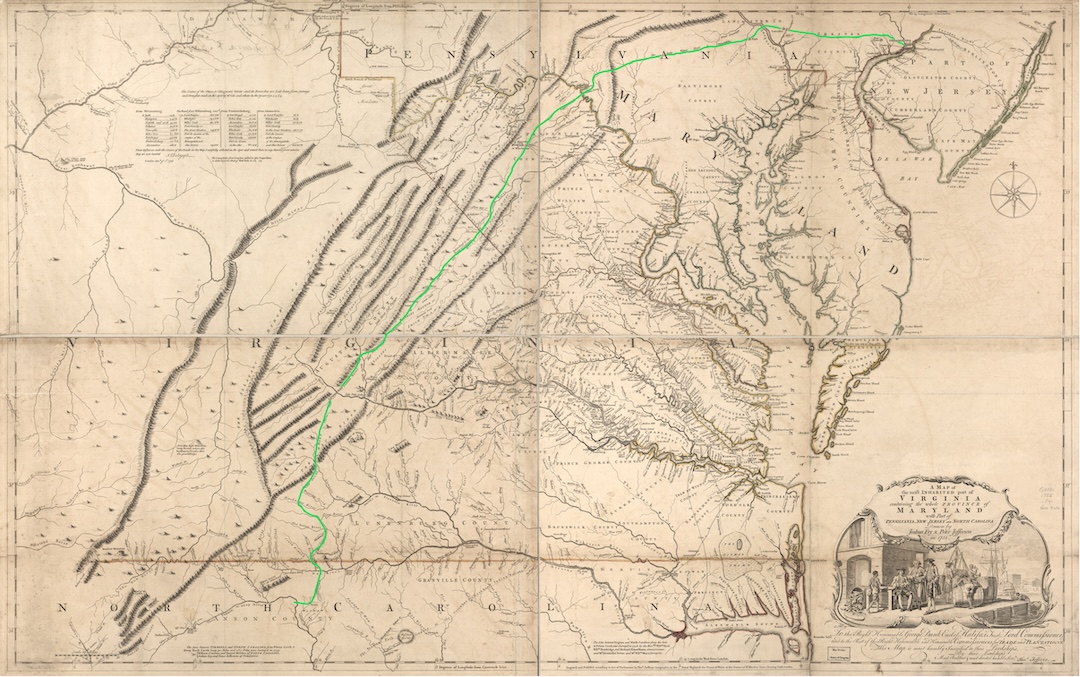
Starting in the 1730s, colonists began migrating into Western Virginia and the Ohio River Valley territories, migrating south from Pennsylvania along the Great Road.
The Great Road
Running along the Blue Ridge Mountains and intersected by the Great Road and the winding banks of the James River, western Virginia was at the forefront of colonial westward expansion and exploration. As early as 1701, the Colonial Council of Virginia offered land grants to settlers in an attempt to fortify its western land holdings from raiding Indians and the French. William Beverly (ca. 1696-1756) took advantage of this offer, obtaining 120,000 acres along the Shenandoah Valley of Virginia in 1736. Many of these early settlers hailed from Germany, Ireland, Scotland, and Switzerland: some escaping persecution, others looking for religious freedom, some looking for better economic opportunities, while others fled continuous war within Europe.
While the expansion of settlements from Williamsburg east into central Virginia consisted mostly of tobacco-rich plantation societies that relied heavily on African slave labor, the western side of the state became a self-sustaining small-farm society with religiously and ethnically diverse communities. The German, Swiss, and Ulster-Scot settlers traveled down the Great Road, which extended from the port city of Philadelphia west through York, Pennsylvania, crossing the Potomac River, and into the Shenandoah Valley at Winchester, Virginia, running along the Blue Ridge Mountains. The total journey from Philadelphia to Big Lick, Virginia, covered 624 miles, and remained a major route into Southwest Virginia and beyond well into the 19th century.
Big Lick
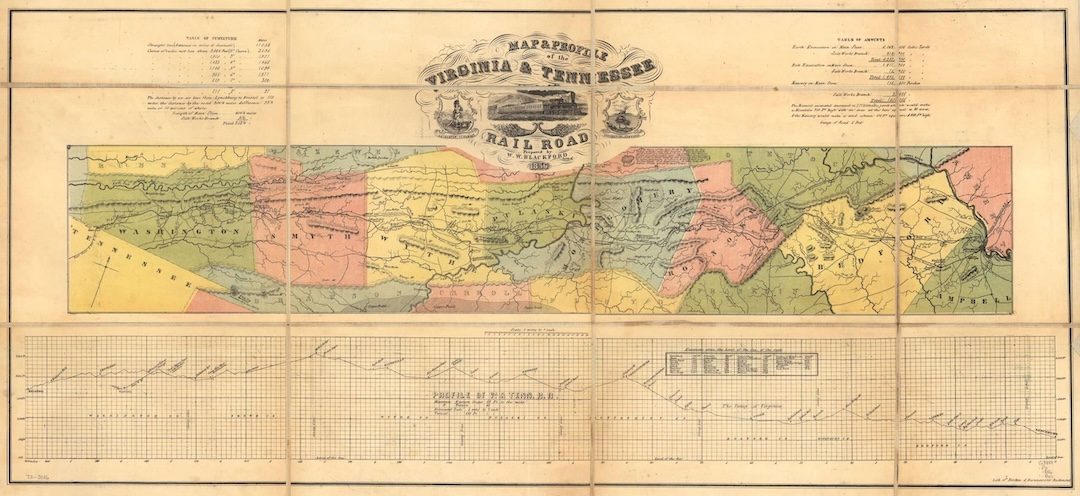
Small communities grew around the Great Road, with Fincastle being a major hub for craftsmen and merchants in the early 19th century, acting as the last place to buy goods before continuing west into Kentucky or south in the Carolinas. Big Lick appeared on maps starting in the 1820s, and was named after the natural salt deposits that attracted animals to the area. In 1852, Big Lick became a stop on the 204-mile Virginia and Tennessee Railroad starting in Lynchburg and ending in Bristol, Tennessee, which was the longest railroad in Virginia prior to the American Civil War. A small depot in the Big Lick settlement of Gainesborough (today known as Gainsboro) near the Henry Street Bridge and Second Street shifted the town’s development from mostly farming to include the beginning of some industrial and commercial productions.
William Mahone, a Confederate general, Virginia senator (1863-1865), US senator (1881-1887), and railroad tycoon, became president of the Virginia & Tennessee Railroad in 1867, and consolidated it into the Atlantic, Mississippi, and Ohio Railway. This allowed for greater distribution of goods throughout southwest Virginia, and by 1876, Big Lick consisted of seven dry goods stores, five tobacco factories, three tobacco warehouses, a flour mill, a harness maker, two blacksmith shops, three saloons, a bank, a drugstore, a foundry, and around 670 residents, split almost evenly between white and black residents.
Boomtown
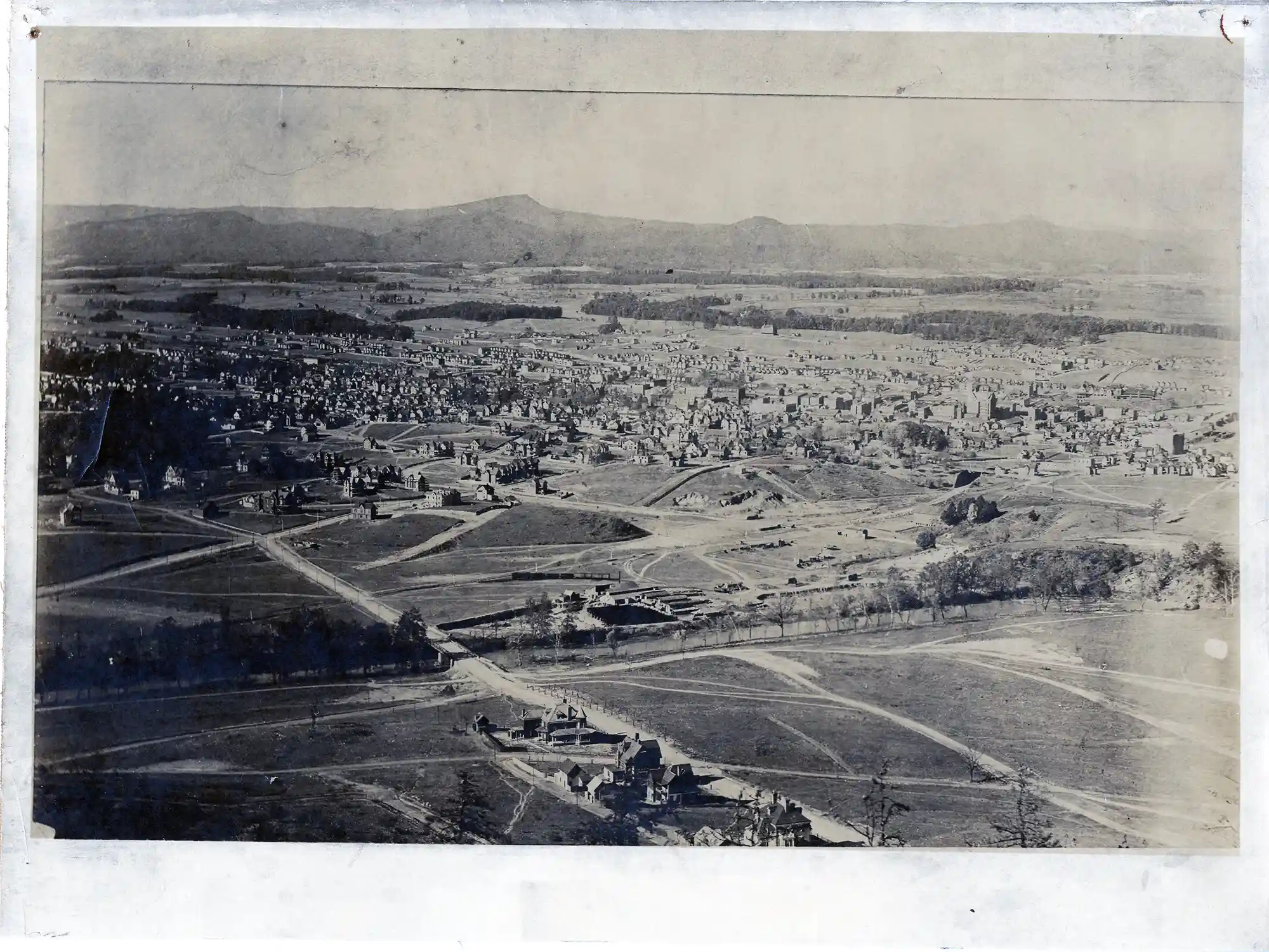
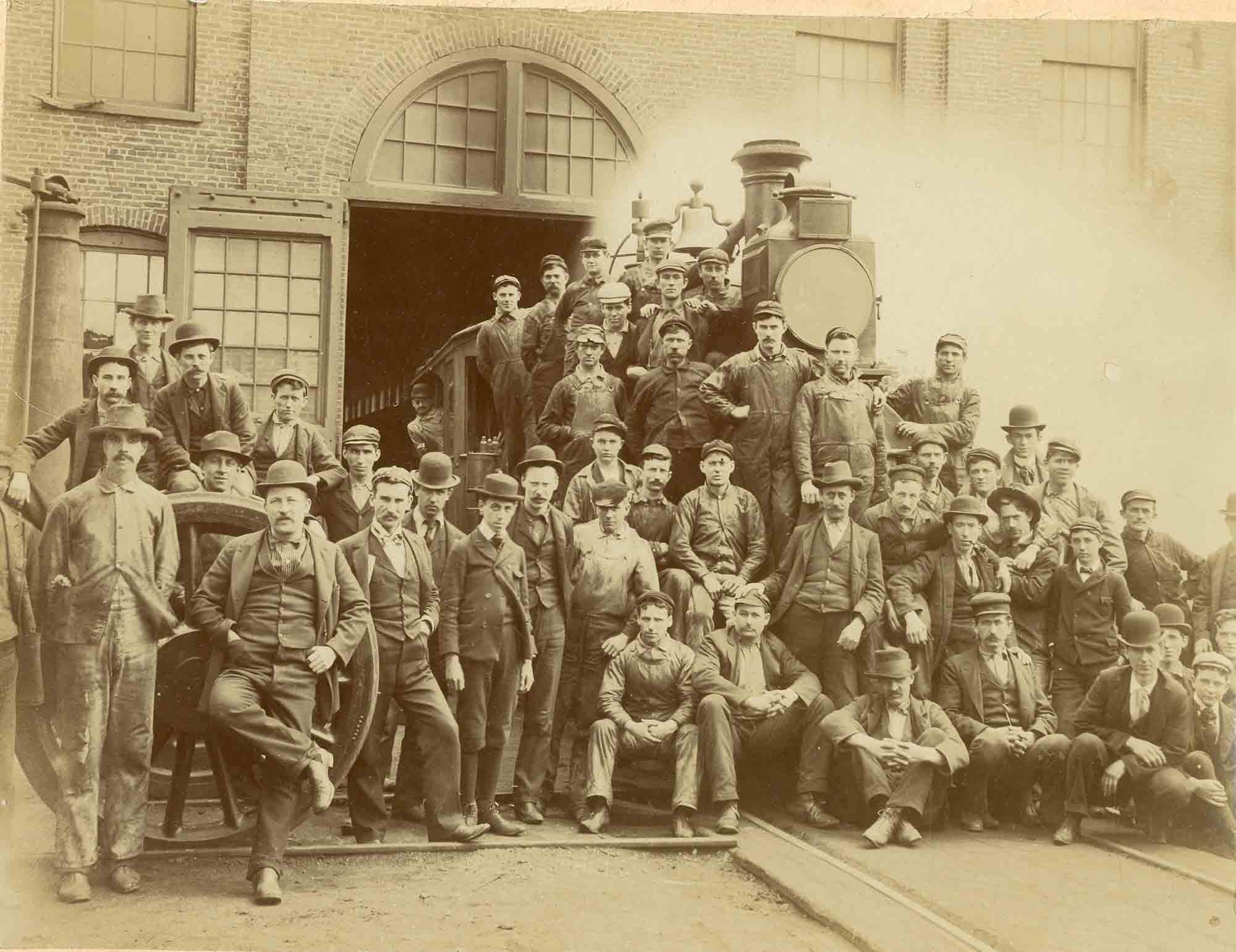
The Atlantic, Mississippi, & Ohio railway was sold in 1881 to Northern interests, and renamed the Norfolk & Western Railway. Frederick Kimball, a Philadelphia civil engineer, VP of the N&W, and President of the Shenandoah Valley Railway, was looking for a southern terminus and juncture of these two lines when Cloverdale businessman J.C. Moomaw and other Big Lick investors petitioned the Shenandoah Valley Railroad to consider Big Lick as this terminus. Successful, Big Lick was chartered as the City of Roanoke later that year. Kimball sought locations for the tracks, offices, a depot, as well as the Roanoke Machine Works, which built and repaired locomotives and railcars used along the Norfolk & Western line.
Alongside N&W, the Roanoke Land & Improvement Company laid out streets, erected houses, and attempted to create infrastructure for a growing city. Between 1882 and 1884, the town exploded, and in its first decade, Roanoke’s population surpassed 20,000 new residents. Roanoke was named ‘The Magic City’ for its appearance almost overnight.
More than Roanoke's History
Also housed in the historic building are Visit Virginia’s Blue Ridge offices and the Roanoke Valley Visitors’ Bureau. In addition to the museum exhibits, the Society manages free exhibits in the public space of the building, which has greatly enhanced the experiences of people dropping in to get information on the local area. The Society also manages the Raymond Loewy Gallery of industrial design, which is free to the public.
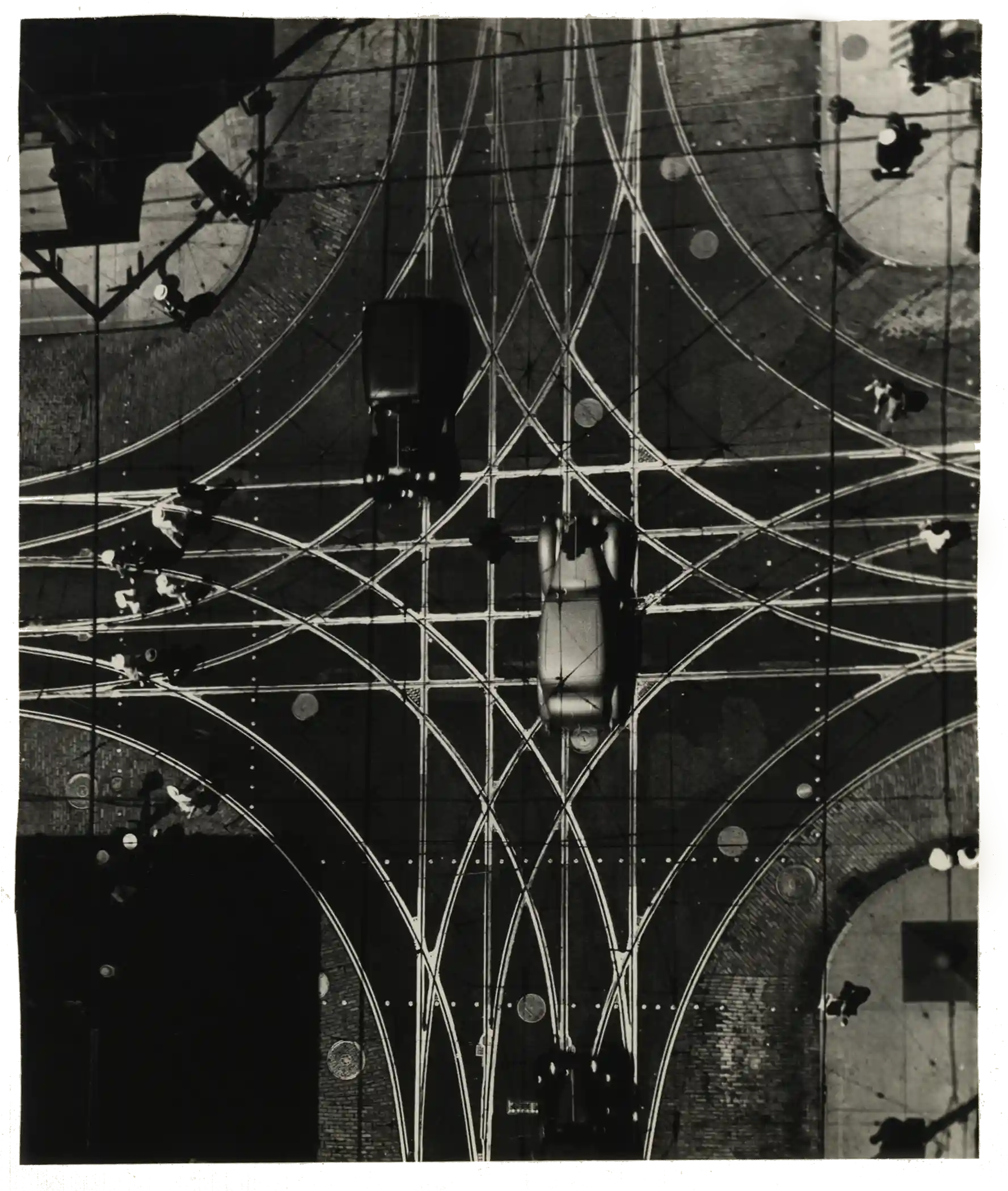
In the galleries that require admission, we have the strong photography of O. Winston Link, who captured the end of the steam locomotive along Norfolk & Western tracks. Historical displays related to the region are also on display. A full creation of the history presence is underway. We also have changing exhibits, from traveling exhibit and those created from our own collections.
Historical Items
from our collection
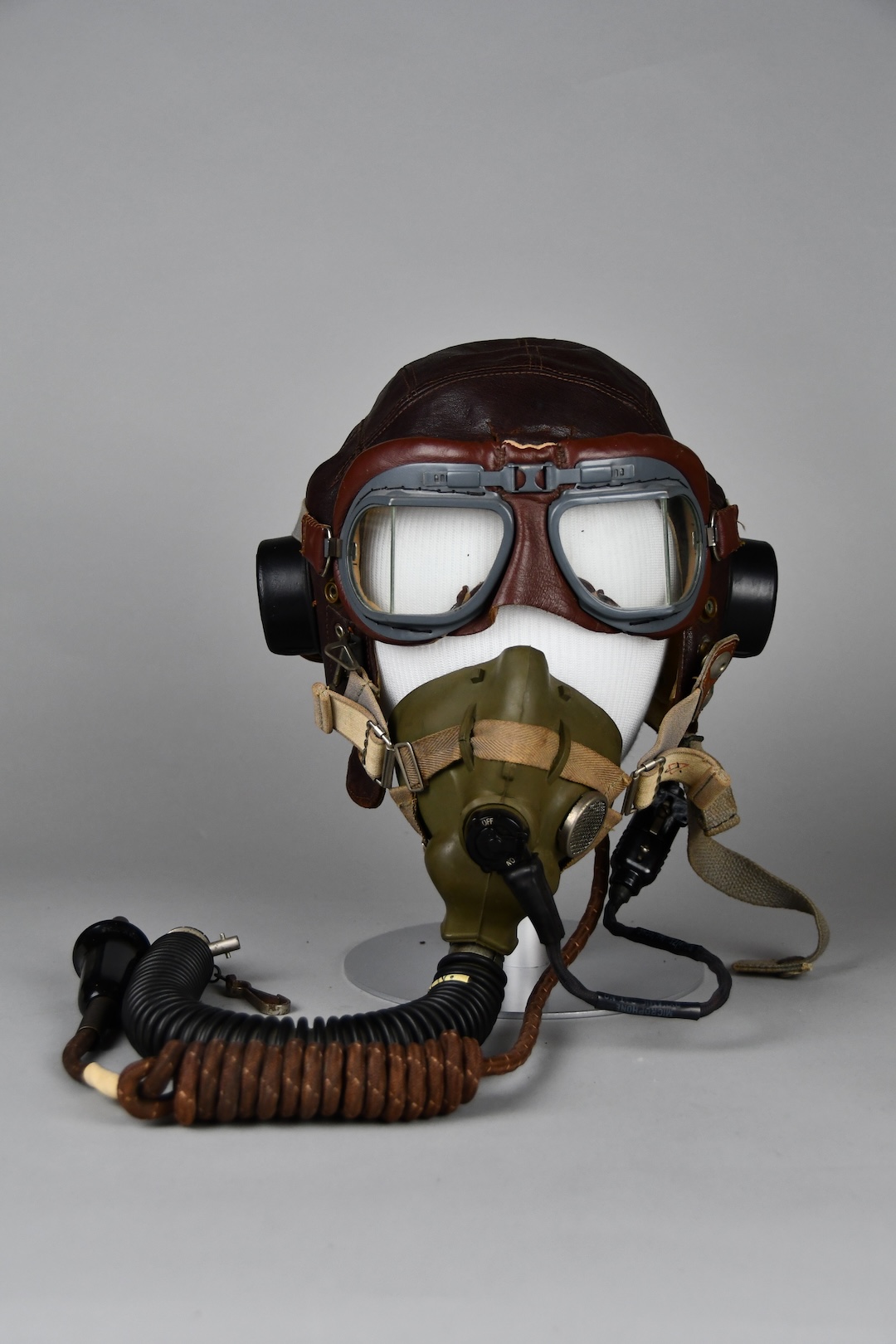
Aviator Helmet, Gift of Carolyn Newell from the Collection of Charles Newell, 2024.29.006
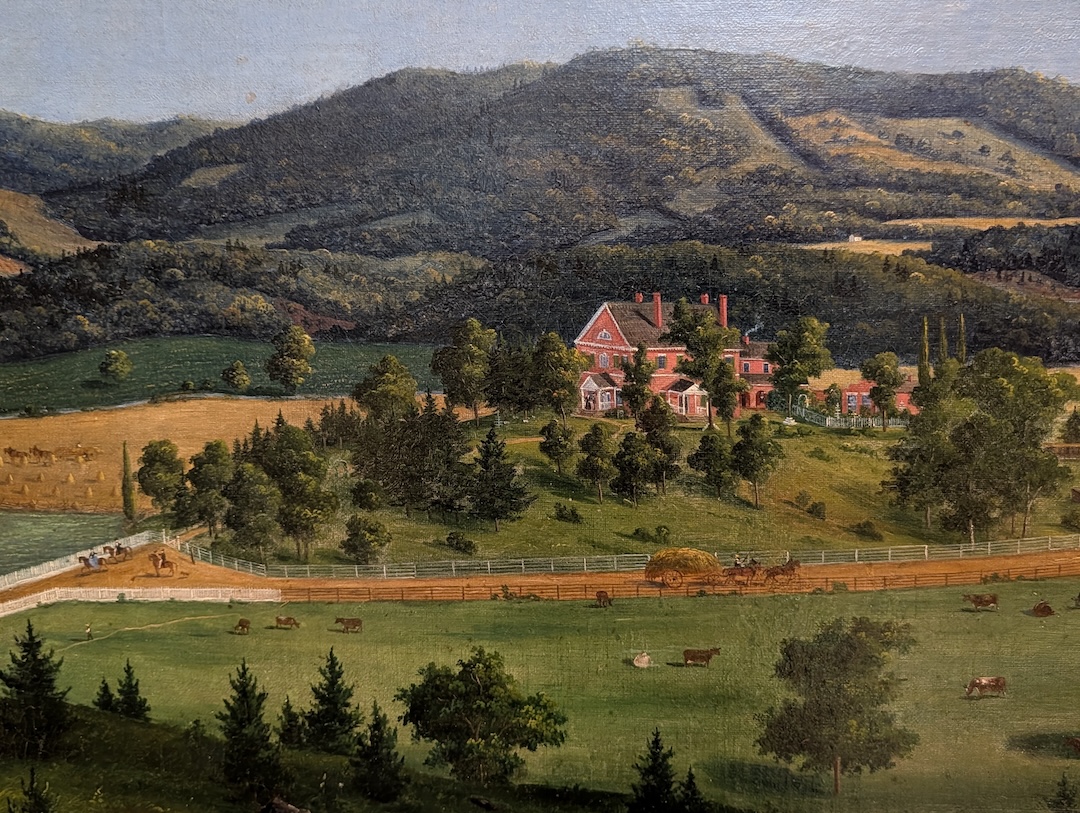
Detail of Edward Beyer’s Grove Hill, 1855, oil on canvas. On loan from the General James Breckinridge Chapter of the Daughters of the American Revolution.
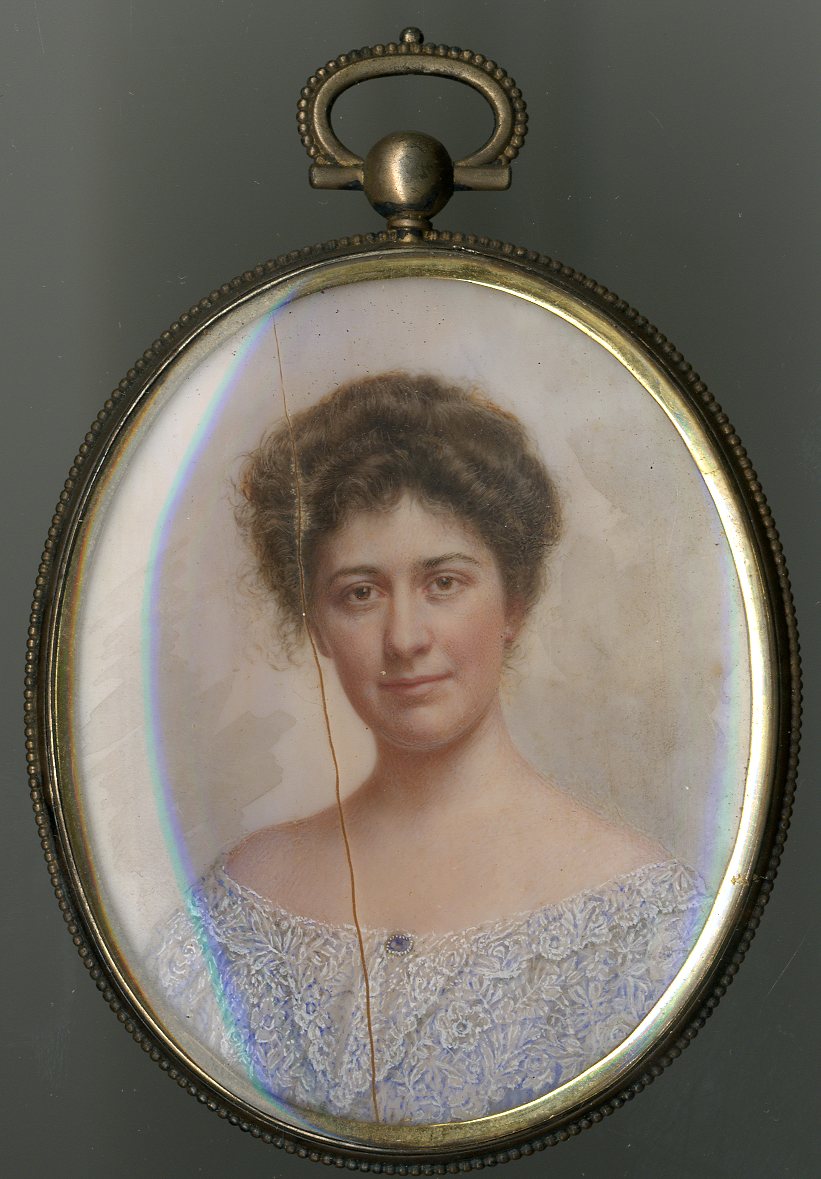
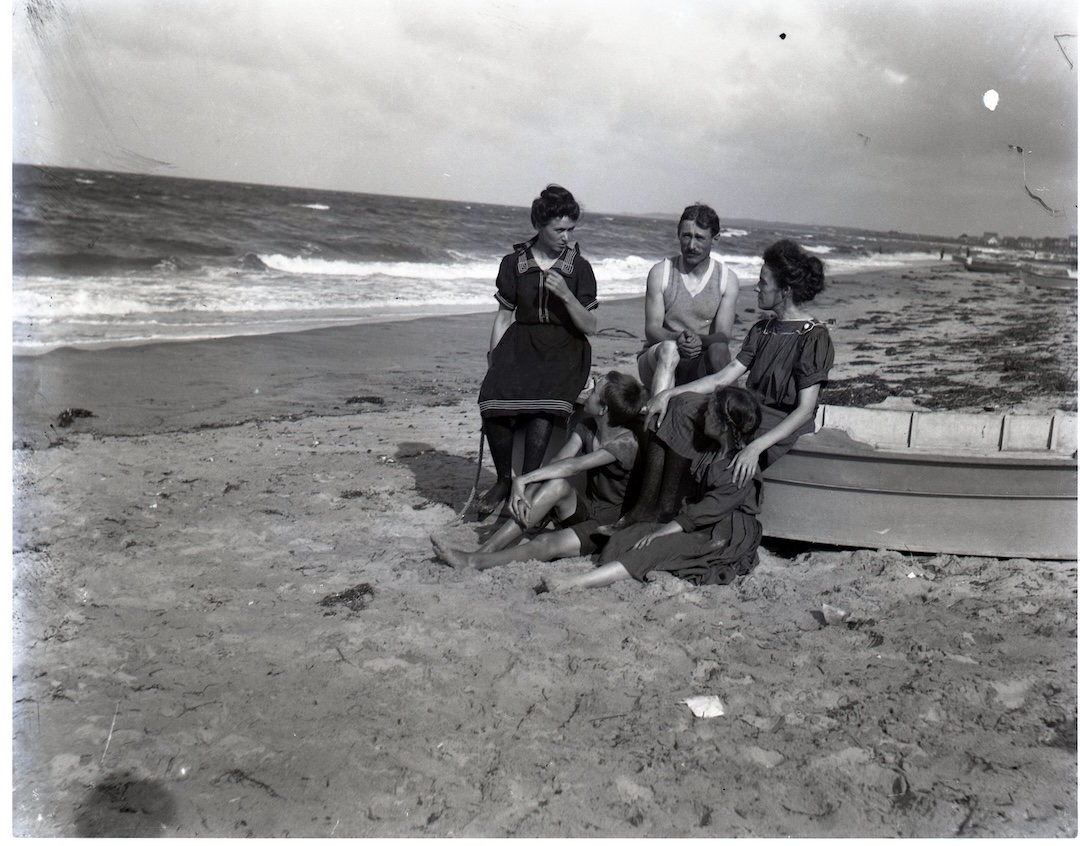
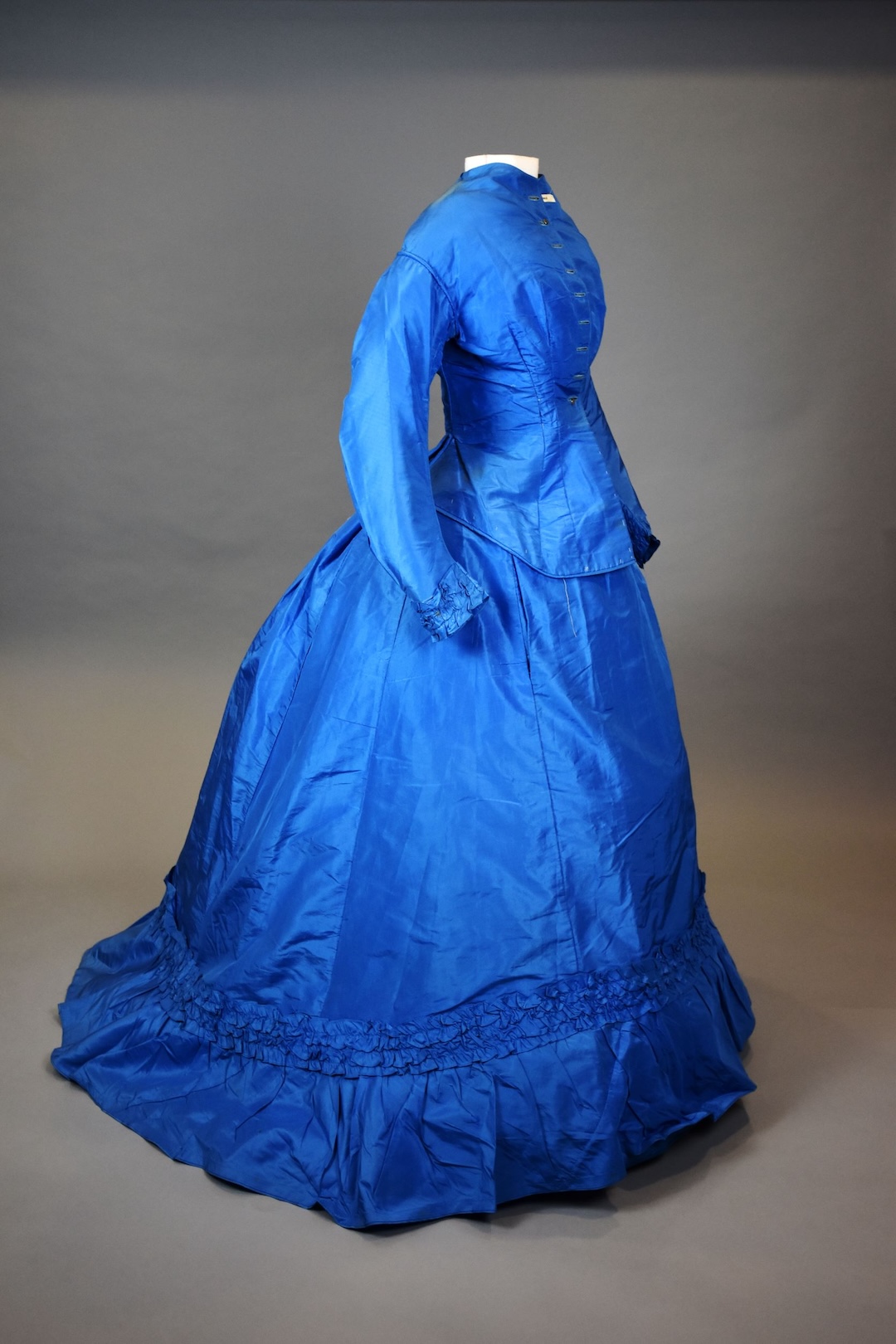
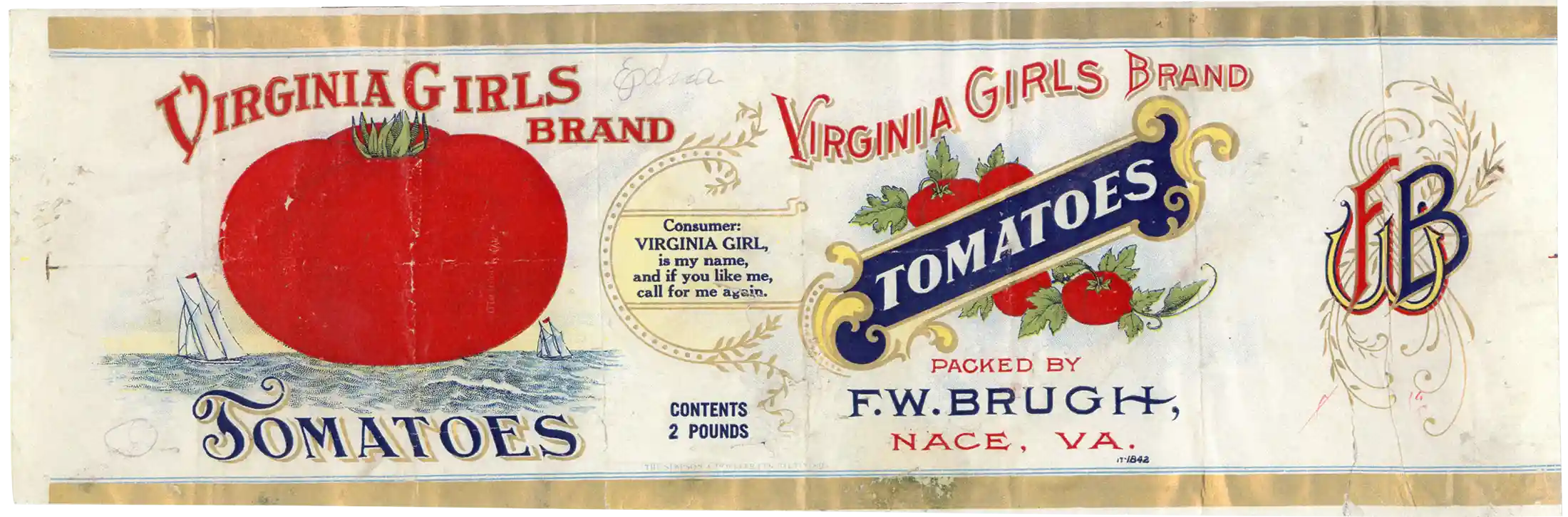
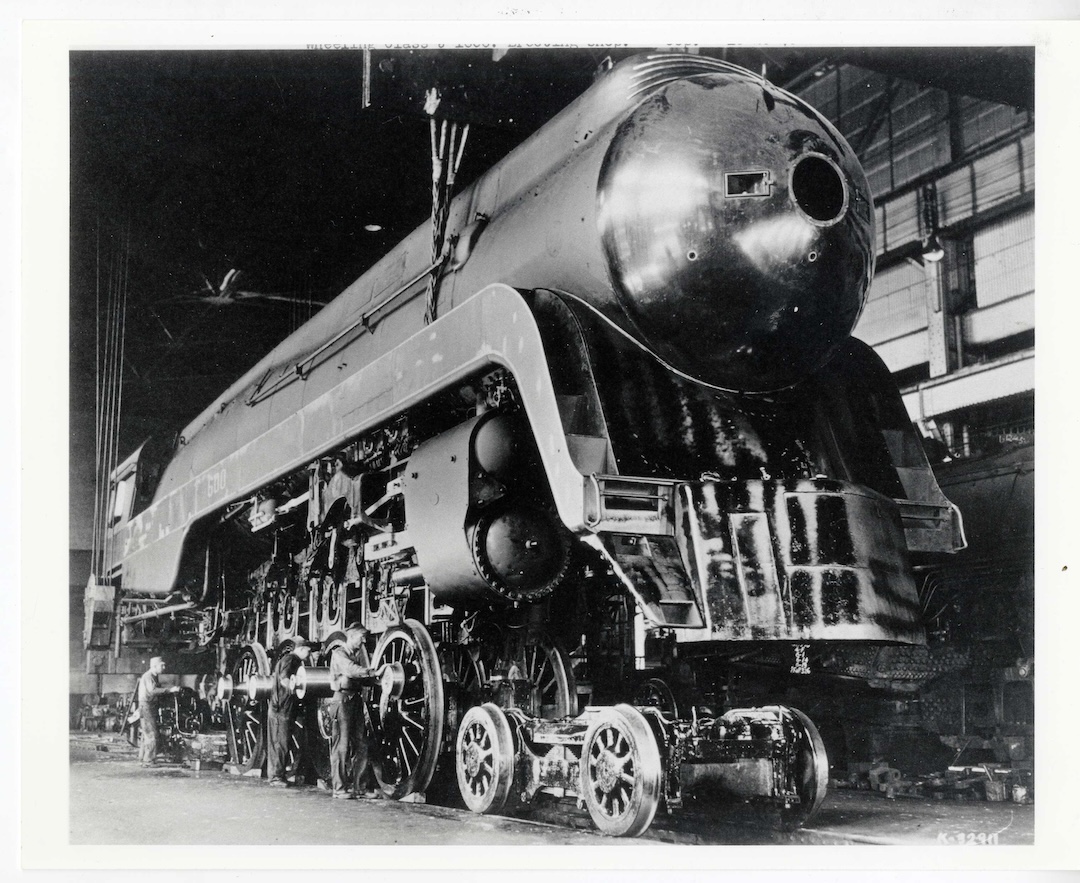
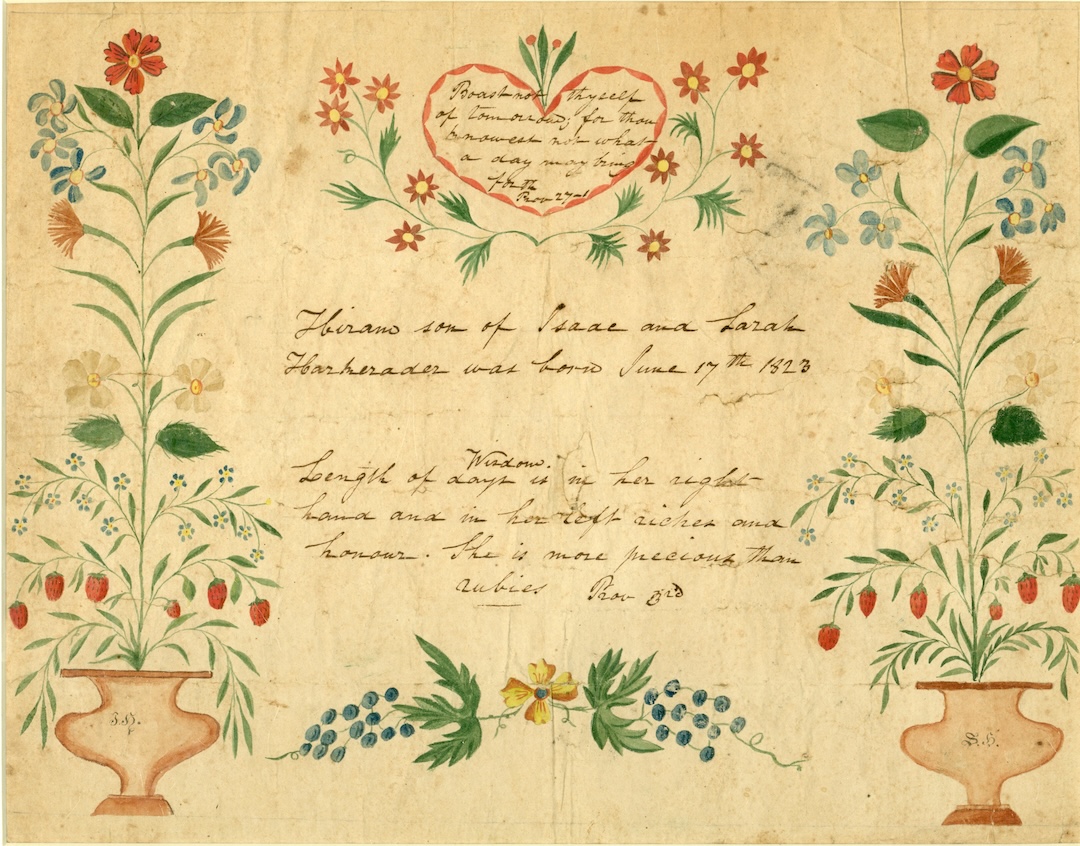
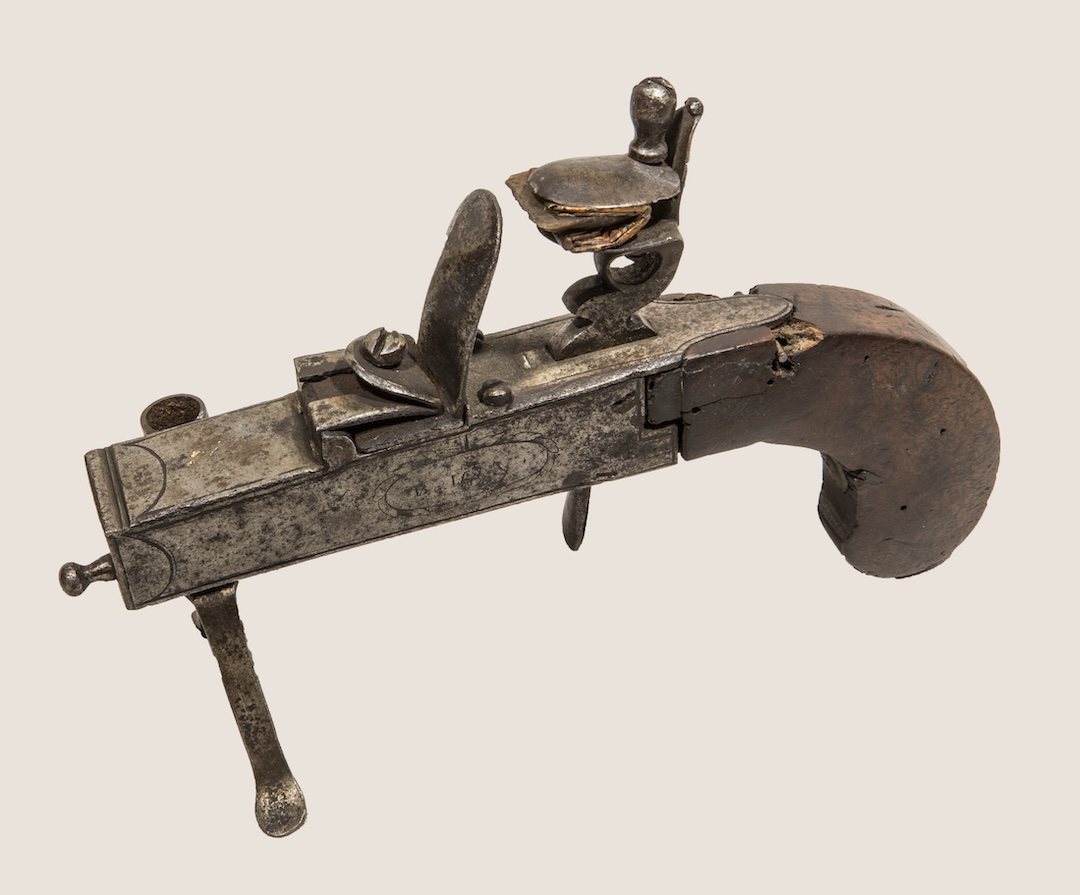
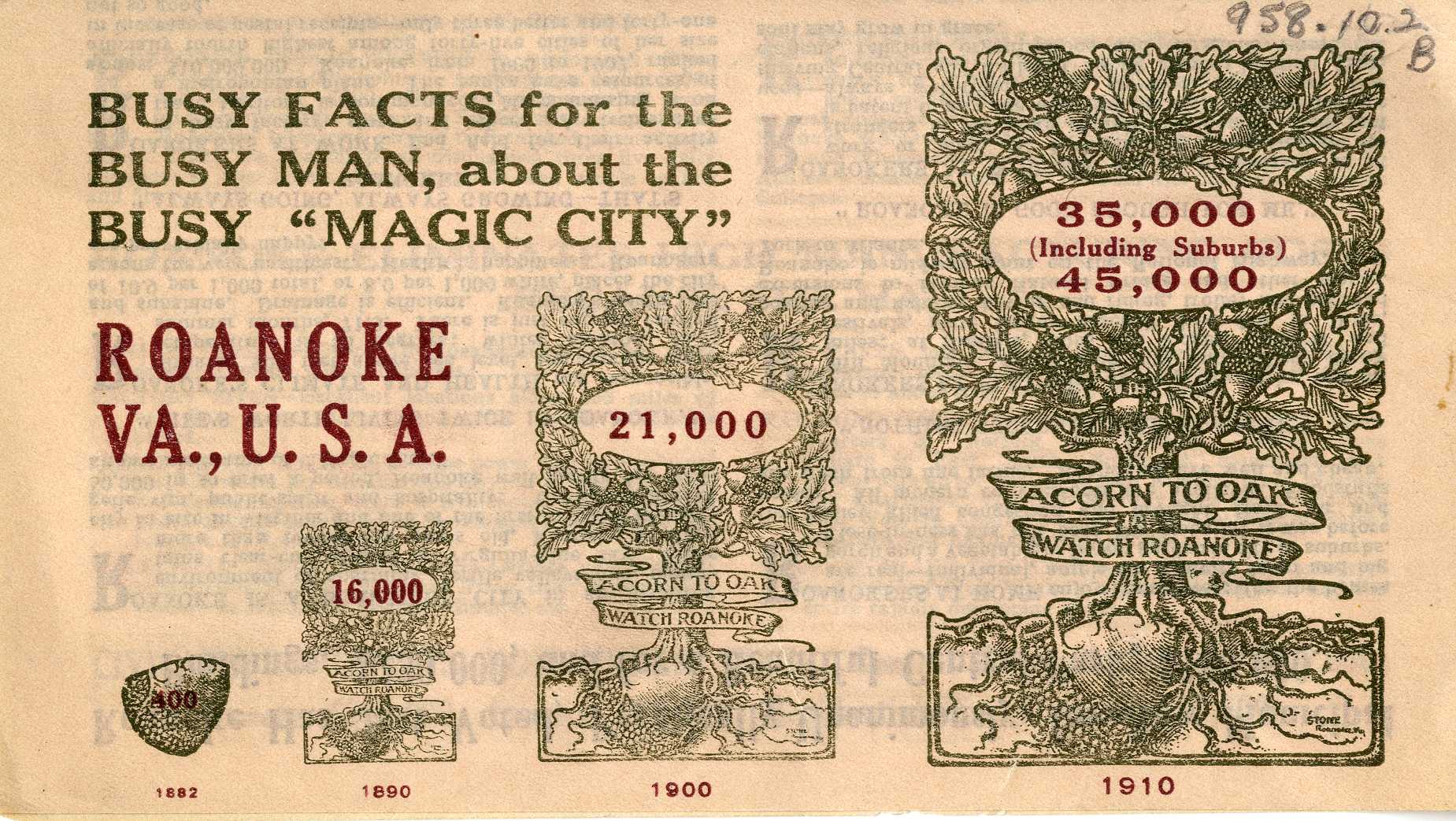
Busy Facts for the Busy Man about the Magic City, c. 1910. Gift of Edmund Goodwin, 1958.10.8
Tell us more
Let us know what brings you here