The Importance of Conservation in Museum Collections
Every object in a museum's collection tells a story. Whether it is a handwritten document, a piece
of furniture, a work of art, a military artifact, or a family heirloom, each item provides a tangible
connection to the people, events, and ideas that shaped our past. Conservation is the essential
work that ensures these stories remain accessible for future generations.
What is Museum Conservation?
Museum conservation is the careful preservation, stabilization, and treatment of cultural objects. Its goal is not to make artifacts appear new, but to protect their historical integrity while slowing the natural processes of deterioration. Professional conservators use specialized techniques and scientific methods to examine materials, prevent damage, and preserve original craftsmanship whenever possible.
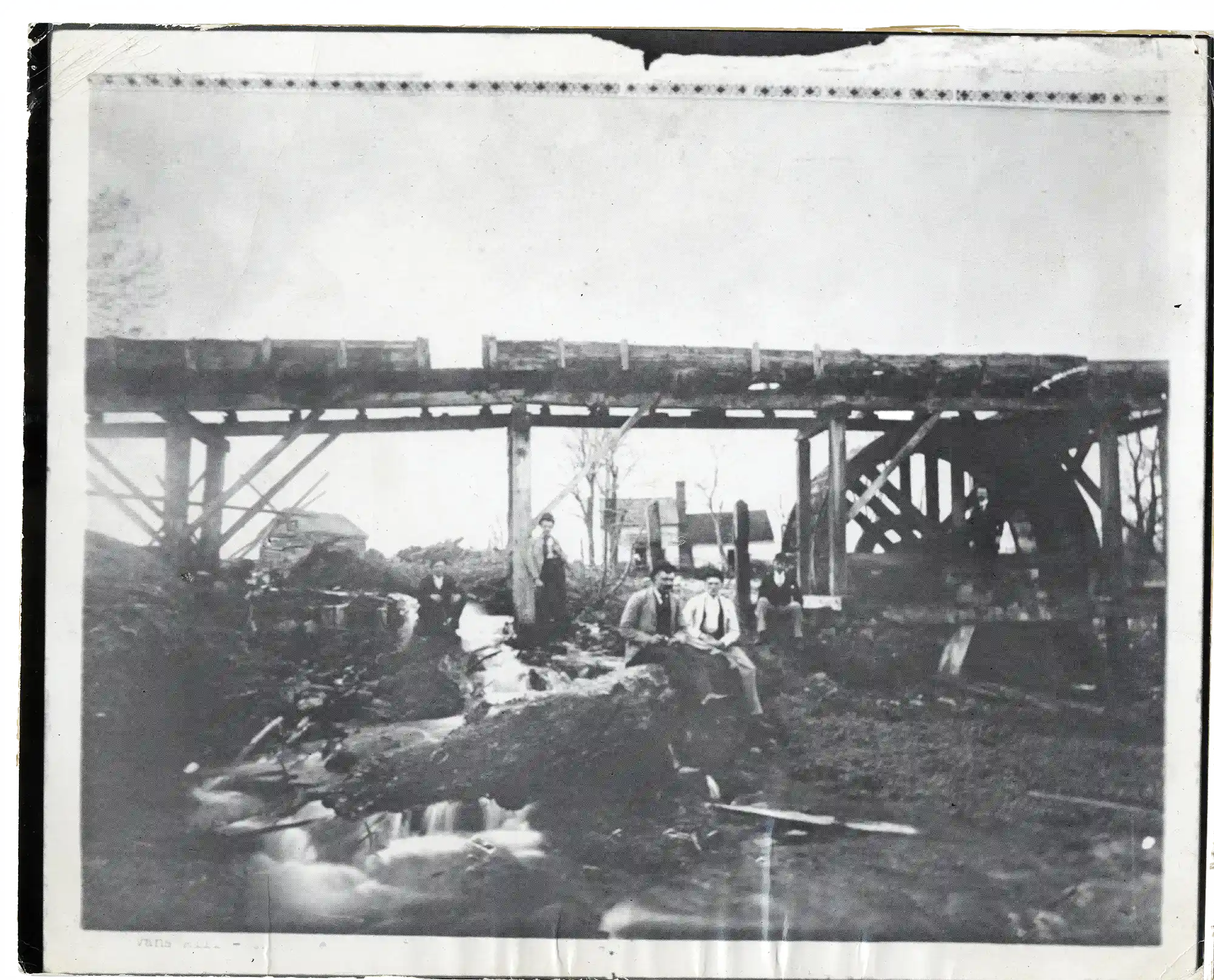
Conservation begins long before an artifact requires treatment. Proper storage, environmental monitoring, safe handling, and appropriate exhibition conditions all play a critical role in extending the life of museum collections. Controlling temperature, humidity, light exposure, and pests helps prevent irreversible damage to fragile objects such as textiles, paper, photographs, wood, metals, and ceramics.
How is
Conservation Done?
When conservation treatment is necessary, every decision is guided by the principles of minimal intervention, reversibility whenever possible, and thorough documentation. Conservators carefully research each object's history, materials, and condition before developing a treatment plan that respects both its physical integrity and historical significance.
Preserving museum collections is about more than protecting objects—it is about safeguarding our shared heritage. The artifacts entrusted to museums serve as primary sources that help researchers, educators, students, and visitors better understand the past. Through conservation, museums ensure that future generations can continue to study authentic objects and experience the powerful connection that only original artifacts can provide.
Conservation is an ongoing commitment to stewardship. By investing in the long-term care of collections today, museums preserve the evidence of our history, culture, and identity for tomorrow.
Tell us more
Let us know what brings you here